Crafting Choice-Driven Microlearning Adventures

Step into a design approach where learners steer, not drift. We explore designing choice-driven microlearning adventures that fuse branching scenarios, tiny quests, and adaptive feedback to build confidence fast. Expect practical blueprints, candid anecdotes, and reusable patterns you can try today. Share ideas and subscribe to keep your momentum growing.

Why Choices Boost Learning Momentum

When learners decide what to try next, motivation rises because autonomy, competence, and relatedness align in satisfying ways. Small, meaningful decisions create a sense of progress, while immediate feedback turns uncertainty into clarity. Picture a new hire choosing a customer path, learning from consequences without risk, and returning tomorrow eager to improve.

Blueprints For Branching Without Chaos

Branching can spiral out of control unless patterns constrain complexity. Design with reusable storylets, decision maps, and milestone checkpoints that reconnect separated paths. Build with modular scenes that share feedback assets. A compliance trainer or product coach can reuse these blueprints, reducing authoring time while keeping journeys fresh and personalized for various roles.

01

Decision Maps That Stay Maintainable

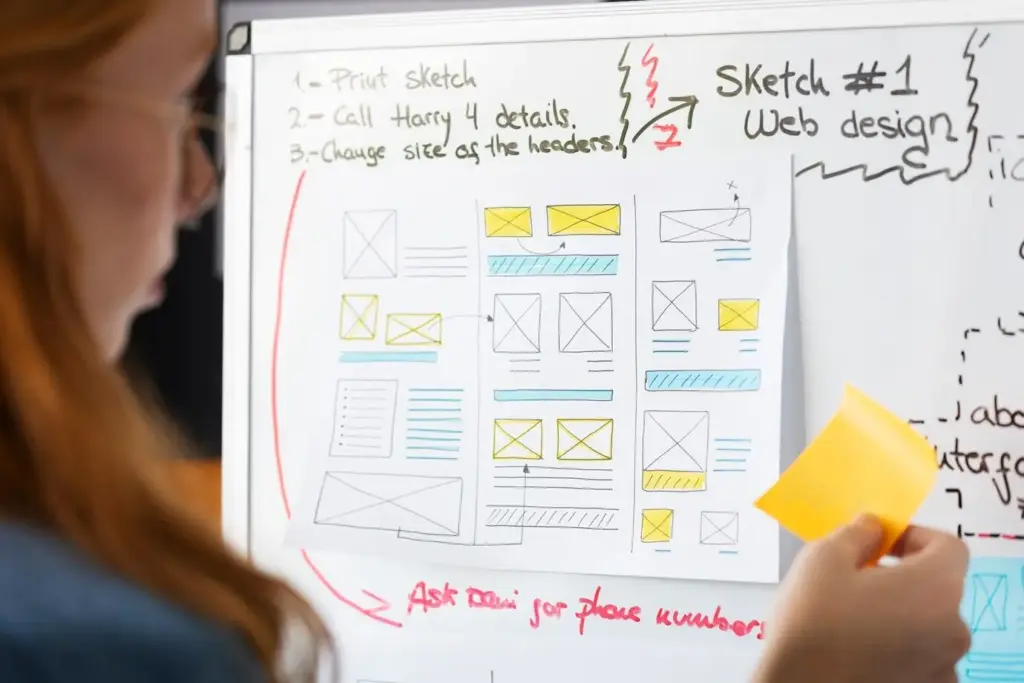
Sketch a high level spine first, then add detours that always rejoin. Label nodes with learning objectives, not just plot beats. Track entry criteria and exit conditions in a lightweight spreadsheet. This structure prevents brittle logic. Post your favorite mapping method, sticky notes or digital canvas, and describe how it saved a project sprint.

02

Make Every Fork Truly Matter

Avoid cosmetic choices that change only wording. Tie each fork to a trade off, like speed versus accuracy or empathy versus policy strictness. Show distinct evidence, dialogue, or metrics on different branches. Learners feel trusted when outcomes diverge meaningfully. Share a fork where you wrestled with realism and how you resolved that tension.

03

Design Failure As Forward Motion

Replace dead ends with productive detours. After a misstep, reveal expert thinking, offer a quick practice redo, and log a visible badge for persistence. This keeps morale high while practicing retrieval. Failure becomes insight, not a wall. Comment with a story where a gentle redo step kept you motivated instead of backing out entirely.

Bite Sized Objectives That Land

Write objectives in plain language that describes a visible behavior, not abstract knowledge. Then align your fork to that behavior. Include one model example and one counterexample to prime recognition. Ask readers to reply with a favorite sentence starter for objectives, and what changed when they shifted from knowledge statements to action oriented outcomes.

Design Two Minute Loops

Plan micro loops that begin with a prompt, continue with a choice, and end with feedback plus a tiny win. These loops build momentum through repetition without boredom. Use timers sparingly to add urgency. Share whether countdowns help you focus or create pressure, and how tone influences that experience in short learning bursts.

Embedded Checks With Real Context

Tie questions to the moment of need. If a character hesitates, ask learners to choose the next line. If a system flag appears, pick the safest override. Authentic context turns checking into doing. Share the most realistic micro scenario you have experienced and why it felt respectful of your time, attention, and intelligence.

Adaptive Difficulty That Feels Fair

Use recent performance to quietly adjust challenge. Offer optional hints before raising stakes. Surface progress through subtle cues, like a mentor character trusting the learner more. Adaptation should feel earned, not mysterious. Tell us how you prefer difficulty signals, explicit meters or narrative changes, and which presentation kept you engaged without breaking immersion at all.

Data Signals That Empower Learners

Return actionable signals like pattern highlights, not opaque scores. Show strengths, blind spots, and recommended replays. Provide a quick share button for peer discussion. Visibility turns analytics into agency. Comment on the one metric that actually helps you change behavior, and one metric that looks impressive yet rarely informs your next step forward.

Interactive Media That Carries Choice

Mix lightweight media with purposeful constraints. Micro simulations, dialogue cards, and tappable evidence create tactile decisions without heavy production. Sound cues and subtle motion guide attention. Accessibility and bandwidth considerations shape every asset. When choices feel tangible, commitment rises. Share a simple interactive element that punched above its weight and delivered surprising clarity for learners.

Micro Simulations With Clear Constraints

Define a tiny system with visible levers, like prioritizing tickets under time pressure. Learners test strategies quickly and witness outcomes instantly. Constraints reduce noise and amplify signal. Invite readers to describe a micro sim they would prototype tomorrow, including variables, rules, and what success would look like after three short practice cycles in sequence.

Dialogue Cards And Evidence Trails

Present choices as dialogue options or evidence snippets. Let learners drag a note, reveal a clue, or compare statements. Interaction should clarify thinking, not distract. Keep visual style consistent to prevent friction. Share which interaction feels most natural on mobile, tap, swipe, or press and hold, and why it supports confident decisions under time.

From Sketch To Clickable Prototype Fast

Speed reduces waste. Start with storyboard cards, then produce a clickable draft using simple tools. Test only the decision beats first. Gather reactions about clarity and tone. Revise before polishing art. Tell us your fastest prototype story, how you recruited testers, and what surprising feedback arrived when visuals were still wonderfully rough and honest.

Branch Tracking With Lightweight Sheets

Use a living spreadsheet to log nodes, objectives, entry conditions, outcomes, and assets. Include identifiers that match filenames and analytics events. This single source of truth supports authors, reviewers, and engineers. Comment with a column you consider essential for sanity, and a column you removed because it never actually influenced decisions during development.

Accessibility And Equity By Design

Choice is meaningful only when everyone can participate. Design for screen readers, keyboard navigation, high contrast, and captions from day one. Use plain language and inclusive narratives that reflect diverse realities. Offer low bandwidth modes. Ask readers to share how accessibility improvements elevated clarity for all, even those who did not depend on them directly.

Build For Assistive Technologies First

Structure content semantically, label controls well, and provide descriptive alt text that carries decision context. Ensure focus order mirrors narrative flow. Test with real users, not just checklists. Comment about one small adjustment, like clearer button labels, that dramatically improved comprehension for many learners across devices, abilities, and hurried work environments under pressure.

Low Bandwidth And Offline Friendly Paths

Design assets that degrade gracefully. Offer text first versions, lightweight illustrations, and downloadable packets for spotty connections. Queue progress updates for later sync. Learners in the field deserve equal momentum. Share a strategy that kept your course responsive in remote locations, and how you measured success without relying on constant connectivity throughout every moment.

Culturally Respectful Storylines

Reflect diverse voices and contexts without stereotyping. Validate scenarios with stakeholders who live the reality you portray. Offer multiple successful approaches, not a single cultural lens. Encourage reflection rather than declaring an absolute. Post a time when a participant flagged a bias you missed, and how you changed the story to honor their perspective.


Evidence, Analytics, And Iteration

Decisions create data rich footprints. Track meaningful signals like hesitation time, redo choices, and hint usage. Combine quantitative patterns with qualitative comments from embedded prompts. Use small experiments to compare versions and keep the better path. Invite readers to suggest one metric they trust most when evaluating short, branching learning experiences in real workplaces today.
Papefapulopepi
Privacy Overview

This website uses cookies so that we can provide you with the best user experience possible. Cookie information is stored in your browser and performs functions such as recognising you when you return to our website and helping our team to understand which sections of the website you find most interesting and useful.